

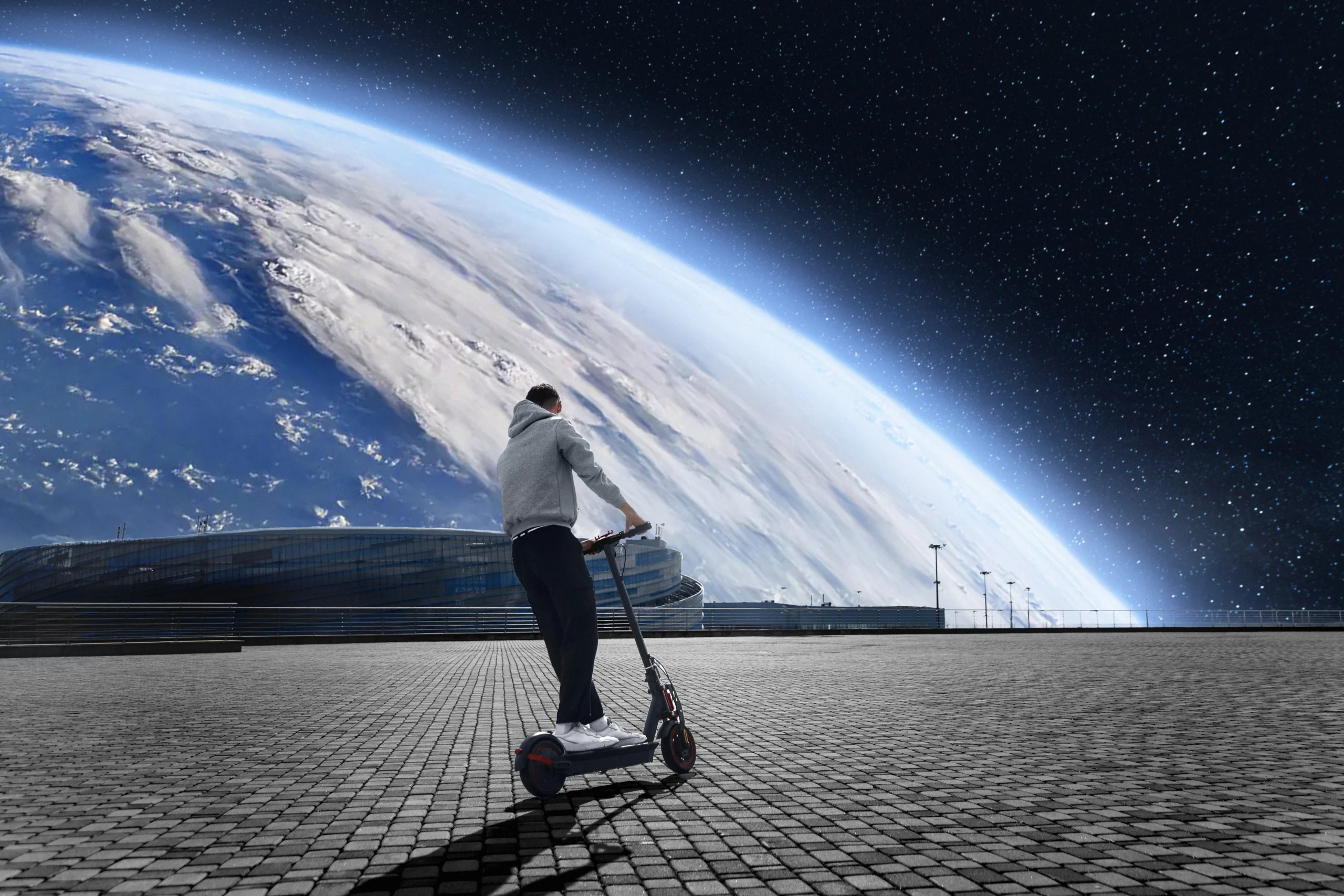
Exploring the Future of Space Tourism: From Earth’s Orbit to the Moon
Introduction
What once sounded like a scene from a sci-fi movie is now becoming a reality — space tourism. In just a few years, private companies have made enormous strides, turning the dream of ordinary people visiting space into a near-future possibility. From suborbital flights by Virgin Galactic and Blue Origin to orbital trips planned by SpaceX, the race to make space travel accessible to civilians is heating up.
In this blog, we’ll dive deep into the future of space tourism, the companies leading the revolution, the costs involved, and what travelers can expect from this once-in-a-lifetime adventure beyond our planet.
1. What is Space Tourism?
Space tourism refers to commercial space travel where civilians (non-astronauts) can pay to visit outer space for leisure, exploration, or even research purposes. It includes several levels of experience:
- Suborbital Flights: Short trips crossing the edge of space (about 100 km above Earth).
- Orbital Flights: Longer journeys around the planet, lasting hours or days.
- Lunar and Deep Space Missions: The next frontier — visiting the Moon and beyond.
These experiences promise not just thrills but a new perspective on Earth, often described by astronauts as the “overview effect” — the humbling realization of our planet’s fragility.
2. Pioneers of Space Tourism: Who’s Leading the Way?
SpaceX
Founded by Elon Musk, SpaceX aims to make human life multi-planetary. Its Crew Dragon spacecraft has already carried astronauts to the International Space Station (ISS). Future missions include private orbital trips and lunar flybys under the dearMoon project, where civilians will orbit the Moon before returning to Earth.
Blue Origin
Led by Jeff Bezos, Blue Origin’s New Shepard rocket offers suborbital flights that give passengers a few minutes of weightlessness. Its focus is on creating a safe and reusable system for commercial spaceflight, making it one of the top contenders in this new industry.
Virgin Galactic
Richard Branson’s Virgin Galactic is another major player, offering suborbital spaceflights aboard the VSS Unity. With successful test flights and paying customers already booking seats, it’s among the first companies to offer space tourism tickets to the public.
3. How Much Does a Space Ticket Cost?
As of now, space tourism remains ultra-premium, but prices are expected to decrease over time.
| Company | Type of Flight | Estimated Cost per Seat |
|---|---|---|
| Virgin Galactic | Suborbital | ~$450,000 |
| Blue Origin | Suborbital | ~$400,000 (auctioned seats have gone higher) |
| SpaceX | Orbital | $55 million per seat |
| dearMoon (SpaceX) | Lunar Orbit | Invitation-only mission |
While these costs are astronomical, early adopters are paving the way for technology improvements that may make space tourism affordable within decades.
4. What Happens During a Space Tourist Flight?
A typical space tourist experience involves:
- Training & Safety Briefing: Weeks or months of physical and mental preparation.
- Launch: Vertical takeoff aboard a rocket or horizontal launch from a spaceplane.
- Weightlessness: 3–5 minutes of floating in zero gravity — a surreal sensation.
- View of Earth: A breathtaking panoramic view of our planet against the blackness of space.
- Re-entry: Controlled descent back to Earth with specialized heat shields and parachutes.
Every second of the journey is carefully monitored to ensure the safety and comfort of passengers.
5. The Environmental Impact of Space Tourism
While exciting, space tourism also raises concerns about sustainability. Rocket launches release carbon dioxide, black carbon, and water vapor into the upper atmosphere, potentially affecting the ozone layer.
However, companies are actively exploring:
- Reusable rockets to reduce waste (SpaceX, Blue Origin).
- Cleaner propellants such as hydrogen-based fuels.
- Carbon offset programs to balance emissions.
In the long term, innovation in green rocket technology will be key to making space travel eco-friendly.
6. The Training Experience for Future Space Tourists
You don’t need to be an astronaut, but space tourists must undergo training to prepare for physical and mental challenges. Typical training includes:
- G-force adaptation in centrifuges.
- Microgravity simulations in parabolic flights.
- Emergency and landing drills.
- Communication and navigation basics.
Companies like Space Adventures and Axiom Space offer programs tailored for upcoming private missions.
7. The Next Frontier: Moon and Beyond
After suborbital and orbital flights, the next goal is lunar tourism.
- SpaceX’s dearMoon mission plans to send artists, creators, and innovators around the Moon.
- NASA’s Artemis Program aims to return humans to the lunar surface by 2026 — paving the way for future civilian missions.
Beyond that, Mars colonization remains the ultimate dream — though likely decades away.
8. Why Space Tourism Matters
Space tourism is more than a luxury — it’s the beginning of a new era for humanity. It fosters:
- Technological innovation in propulsion, materials, and sustainability.
- Global collaboration among nations and companies.
- Educational inspiration for future generations of scientists and explorers.
As prices drop and safety improves, we might one day see space hotels, lunar resorts, and orbital vacations — changing tourism forever.
9. Space-Themed Attractions on Earth
Can’t afford a trip to orbit yet? Experience space tourism on Earth through:
- Space camps in the USA and Europe.
- Virtual reality space simulations in Dubai and Tokyo.
- NASA’s Kennedy Space Center tours in Florida.
- Space museums in the UAE, Japan, and Germany.
These destinations let travelers experience the thrill of space exploration without leaving the planet.
10. The Future Outlook
Experts predict that by 2035, thousands of tourists could visit suborbital space annually. The rise of private spaceports, AI-guided flight systems, and reusable spacecrafts will make this possible.
Just as air travel evolved from a luxury to a norm, space tourism could follow the same trajectory — making humanity a truly multi-planetary species.
FAQs About Space Tourism
Q1: Who can become a space tourist?
Anyone in good physical health can apply. You must pass basic medical exams and complete pre-flight training.
Q2: Is space tourism safe?
Current missions involve strict safety measures and trained pilots, but as with any new frontier, there are risks.
Q3: Can we stay in space hotels soon?
Yes, companies like Orbital Assembly plan to build the Voyager Space Station, a luxury space hotel, by the early 2030s.
Q4: How long will space flights last?
Suborbital flights last about 10–15 minutes; orbital missions can last days or weeks.
Q5: What are the health effects of space travel?
Minor effects like motion sickness and disorientation are common, but temporary.
Conclusion
Space tourism marks the next giant leap in human exploration. From private suborbital flights to lunar missions, it’s pushing boundaries once thought unreachable. As companies innovate and competition increases, space travel will soon shift from elite adventure to accessible experience.
Navigation
Head Office
Sheikh Zayed Rd,
Trade Centre,
Trade Centre 1,
Dubai
Branch Office
Sharjah Media City,
Sharjah – 500001,
Dubai,
United Arab Emirates.